

The real estate market in the USA is highly competitive, and businesses need fast and reliable ways to reach potential buyers and sellers. One of the most effective digital strategies is pay-per-click advertising. It allows real estate professionals to appear at the top of search results when users are actively looking for properties. This makes it easier to connect with high-intent audiences. With the right planning and execution, PPC can generate quality leads, improve visibility, and deliver measurable returns for real estate businesses.
Why PPC Matters for Real Estate
Real estate decisions often begin online. Buyers search for homes, compare prices, and explore locations before making contact. PPC helps businesses show up during this critical phase.
Unlike traditional marketing, PPC focuses on intent. When someone searches for a property or agent, they are already interested. This increases the chances of conversion.
Another advantage is speed. Organic strategies take time, but PPC can drive traffic instantly. This is useful for new listings or urgent campaigns.
Understanding the Market
The digital advertising landscape in the United States is constantly evolving. Real estate businesses must adapt to changing trends and user behavior.
People now rely on search engines and mobile devices for property searches. PPC allows you to target users based on location, device, and search intent. This ensures your ads reach the right audience.
Local targeting is especially important. Real estate is location-based, so your ads must focus on specific areas. This improves relevance and increases conversion rates.
Core Components of a Winning PPC Strategy
1. Keyword Research
Keywords are the backbone of any campaign. Focus on phrases that show clear intent, such as location-based searches.
Avoid broad terms that attract general traffic. Instead, target users who are ready to take action.
2. Compelling Ad Copy
Your ad should be simple and direct. Highlight key features like price, location, or property type.
Use clear calls to action such as “Schedule a Visit” or “View Listings Now”.
3. Optimized Landing Pages
A good landing page improves conversions. It should match the ad content and provide useful details.
Keep the design clean and include easy-to-fill forms. This helps capture leads effectively.
4. Budget Control
Set a clear budget and monitor performance regularly. Increase spending on campaigns that perform well.
Avoid wasting money on low-performing ads.
Targeting the Right Audience
Effective targeting is key to success in real estate PPC.
You can narrow your audience based on:
- Geographic location
- Demographics
- Online behavior
- Device usage
This ensures your ads reach users who are more likely to convert.
Retargeting is another powerful method. It allows you to reconnect with visitors who showed interest but did not take action.
Common Mistakes to Avoid
- Using too many broad keywords
- Ignoring negative keywords
- Sending traffic to irrelevant pages
- Not tracking conversions
- Failing to optimize campaigns regularly
These mistakes can reduce efficiency and increase costs.
Improving Conversion Rates
Driving traffic is the only step. The real goal is to convert visitors into leads.
Simple improvements can make a big difference. Use clear headlines and strong calls to action. Add trust elements such as testimonials or reviews.
Make sure your website is mobile-friendly. Many users search for properties on their phones. A slow or complex page can lead to lost opportunities.
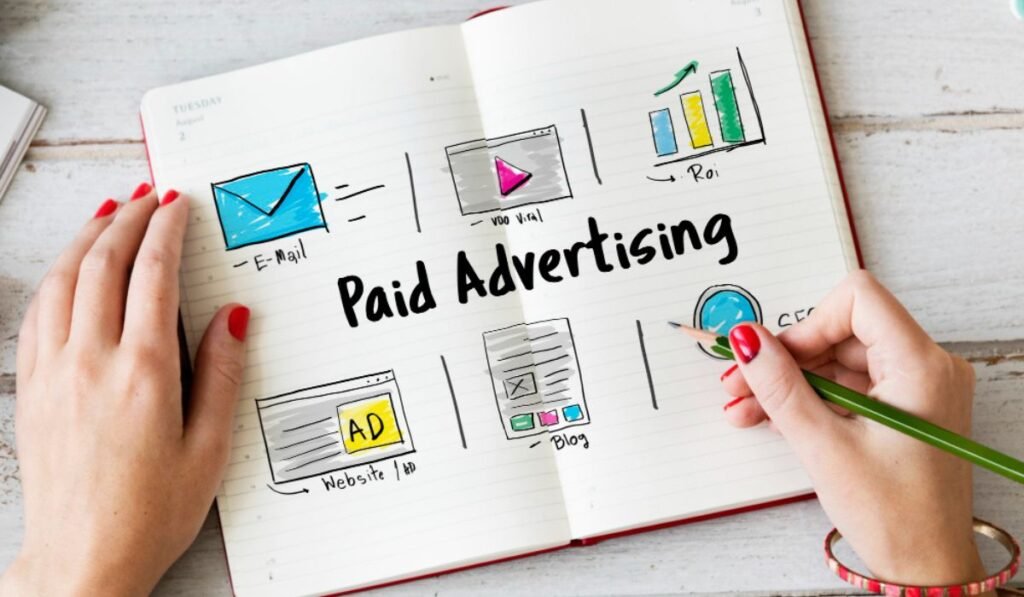
PPC Advertising USA: Advanced Strategies for Growth
To stay competitive in the real estate market, businesses must go beyond basic techniques, especially when using PPC Advertising USA strategies. A strong approach starts with audience segmentation, which allows you to target different groups with customized messages. This improves engagement and increases the chances of conversion. A/B testing is also essential, as it helps you compare different versions of ads and understand what performs best. Geo-targeting plays a key role by focusing your campaigns on high-value locations, ensuring that your budget is used wisely. In addition, using data analytics helps track user behavior and campaign performance, allowing you to make informed decisions and refine your strategy over time for better results.
Measuring Success in PPC Campaigns
Tracking performance is essential for long-term success. Without proper analysis, it is difficult to improve.
Focus on key metrics such as click-through rate, cost per click, and conversion rate. These indicators show how well your campaigns are performing.
Regular monitoring helps you identify issues and make necessary adjustments. This leads to better results and higher returns.
Turning Clicks Into Clients
A well-planned pay-per-click advertising strategy can help real estate businesses attract the right audience and generate consistent leads. It offers speed, flexibility, and measurable results. By focusing on targeting, optimization, and data analysis, businesses can achieve strong performance and long-term growth.